
ESG data goes in raw.
KPIs come out defensible.
Collect any ESG data, build your own KPI logic, and trace every calculation back to source, across every entity and reporting period you cover.
Built for funds, enterprises and financial institutions managing ESG, impact, risk and due diligence data.

QB-EDGE™
Table of contents
What Is QB-EDGE™?
Built for consistency, accountability, and audit-ready insight across organisations, portfolios, and time.
QB-EDGE is a governed data collection and KPI logic solution that structures ESG and non-financial data for regulatory and management reporting, and informed decision-making.
+ 50%
Data consistency
Standardised data structures and KPI logic for consistent inputs and outputs across entities, portfolios, and reporting periods.
+ 80%
Traceability
Every data point, calculation, and adjustment is verifiable, with audit coverage from source to final output.
– 70%
Manual effort
Automated data collection and KPI logic significantly reduce spreadsheet work and repetitive reconciliations.
– 55%
Reporting risk
Defined methodologies and validations lower the risk of errors, inconsistencies, and regulatory findings.
Questionnaire & workflow automation
Configurable questionnaires, set workflows, and end-to-end auditability. QB-EDGE™ automates data collection and validation across complex reporting and management processes.

High customisation
Configurable qualitative and quantitative templates

Completion monitoring
Real-time response status and progress tracking

Audit trails for accountability
Version control and full change history

Data verification
Structured review, validation, and approval workflows
Collaboration and Engagement
Real-time collaboration for internal and external stakeholders. QB-EDGE™ enables reliable communication, review, and coordination across teams and partners.

Multi-user collaboration
Commenting and collaborative editing

Log-registered changes
Logged changes and transparent status updates

Multi-level data access
Role-based, multi-stakeholder assignments

Continuous feedback
Notifications and reminders to support workflow progression
How it works
1. Create templates
Build custom questionnaires. Create questionnaires aligned with regulatory frameworks or company requirements. Select from multiple input types, import questions from recognised standards, and define conditional logic for respondents.
2. Build KPI Logic
Define KPI logic. Configure indicators, calculation rules, measurement units, thresholds, and conditions.
3. Distribute
Control questionnaire distribution. Assign access rights, define recipients, and set deadlines and automated reminders.
4. Collect responses
Track responses and monitor progress. Collect and monitor responses in real time across stakeholders, portfolio companies, or funds, and identify missing or incomplete submissions.
5. Analyse
Review and analyse data. Compare responses, detect patterns and anomalies, validate submissions, and ensure data completeness.
6. Report
Produce audit-ready reports. Generate audit-ready reports aligned with regulatory and management reporting requirements.
What kind of system is QB-EDGE™, and when should it be used?
QB-EDGE is designed for organisations managing complex, multi-entity reporting processes involving multiple stakeholders, time periods, and data requirements. It provides a controlled environment to define methodologies once, apply them consistently, and manage data flows across teams, portfolios, and reporting cycles.
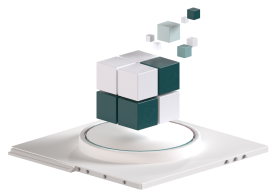
Supports multiple reporting scopes
Apply the same structure across funds, portfolio companies, business units, or jurisdictions.

Adapts to evolving requirements
Update questionnaires and KPI logic as frameworks, regulations, or internal policies change.
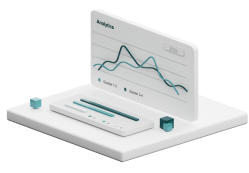
Maintains historical continuity
Track data across years and reporting periods without rebuilding templates or logic.

Fits existing governance models
Aligns with internal controls, approval hierarchies, and review processes.
Who QB-EDGE™ is built for
Designed for fund managers, corporates, and governance teams
QB-EDGE™ supports organisations responsible for ordered data collection, oversight, and disclosure across non-financial domains.
- Investment managers use QB-EDGE™ to communicate and gather data from their portfolio companies.
- Sustainability teams use QB-EDGE™ to report on ESG matters across the value chain, including upstream and downstream operations.
- Compliance and risk professionals use QB-EDGE™ to detect weaknesses and opportunities to improve business practices.
Related reporting frameworks
QB-EDGE can be used as a standalone system or in alignment with leading international reporting frameworks and standards.
When used in alignment, QB-EDGE enables interoperability by allowing organisations to:
- Import and structure framework-based questionnaires using predefined question sets and disclosure requirements
- Map internal data points and KPIs to framework-specific disclosures without duplicating data collection
- Reuse collected data across multiple frameworks, reducing parallel reporting efforts
- Maintain a single underlying data model while producing framework-aligned outputs
This approach allows organisations to work within established frameworks while retaining flexibility to adapt methodologies, scopes, and reporting cycles.
SFDR
GRI
SASB
ISSB
CSRD
ESRS
Questions related to QB-EDGE™
What is QB-EDGE and what type of system is it?
QB-EDGE is a structured data collection and KPI logic platform designed to manage non-financial and ESG data across complex reporting environments. It combines questionnaires, controlled workflows, and KPI configuration to support consistent data management and reporting.
How is QB-EDGE different from spreadsheets or generic survey tools?
Unlike spreadsheets or basic survey tools, QB-EDGE enforces structure, logic, and governance. It supports conditional questionnaires, KPI calculation rules, validation, version control, and multi-entity reporting, reducing manual handling and inconsistencies.
Can QB-EDGE be used without adopting a specific reporting framework?
Yes. QB-EDGE can operate as a standalone system, allowing organisations to define their own questionnaires, KPIs, and methodologies independently of external reporting frameworks.
How does QB-EDGE work in alignment with frameworks such as SFDR, GRI, or ESRS?
When used in alignment, QB-EDGE enables framework-based questionnaires, maps internal KPIs to disclosure requirements, and allows data reuse across multiple standards, while maintaining a single underlying data structure.
Who typically uses QB-EDGE within an organisation?
QB-EDGE is used by fund managers, sustainability and ESG teams, compliance and risk professionals, and portfolio or supply-chain oversight teams involved in non-financial data collection and reporting.
How does QB-EDGE support consistency across entities and reporting periods?
QB-EDGE allows organisations to define structures and KPI logic once and apply them consistently across entities, portfolios, and years, while preserving historical data without rebuilding templates or logic.
Is QB-EDGE suitable for both internal management reporting and regulatory disclosures?
Yes. QB-EDGE supports both internal management use cases and external regulatory reporting, enabling organisations to use the same data foundation for internal analysis, oversight, and formal disclosures.
QB-EDGE is a structured data collection and KPI logic platform designed to manage non-financial and ESG data across complex reporting environments. It combines questionnaires, controlled workflows, and KPI configuration to support consistent data management and reporting.
Unlike spreadsheets or basic survey tools, QB-EDGE enforces structure, logic, and governance. It supports conditional questionnaires, KPI calculation rules, validation, version control, and multi-entity reporting, reducing manual handling and inconsistencies.
Yes. QB-EDGE can operate as a standalone system, allowing organisations to define their own questionnaires, KPIs, and methodologies independently of external reporting frameworks.
When used in alignment, QB-EDGE enables framework-based questionnaires, maps internal KPIs to disclosure requirements, and allows data reuse across multiple standards, while maintaining a single underlying data structure.
QB-EDGE is used by fund managers, sustainability and ESG teams, compliance and risk professionals, and portfolio or supply-chain oversight teams involved in non-financial data collection and reporting.
QB-EDGE allows organisations to define structures and KPI logic once and apply them consistently across entities, portfolios, and years, while preserving historical data without rebuilding templates or logic.
Yes. QB-EDGE supports both internal management use cases and external regulatory reporting, enabling organisations to use the same data foundation for internal analysis, oversight, and formal disclosures.
Stay up to date
Keep up with changes on policies, legislations and technologies.
-
 Read more: L’ambiente per gli investimenti in Italia e il settore tecnologico
L’ambiente per gli investimenti in Italia e il settore tecnologico
-
 Read more: EU Digital Action Plan for the Water Sector
EU Digital Action Plan for the Water Sector
-
 Read more: EU Fertiliser Action Plan: what it means for ESG reporting and supply chain sustainability
EU Fertiliser Action Plan: what it means for ESG reporting and supply chain sustainability